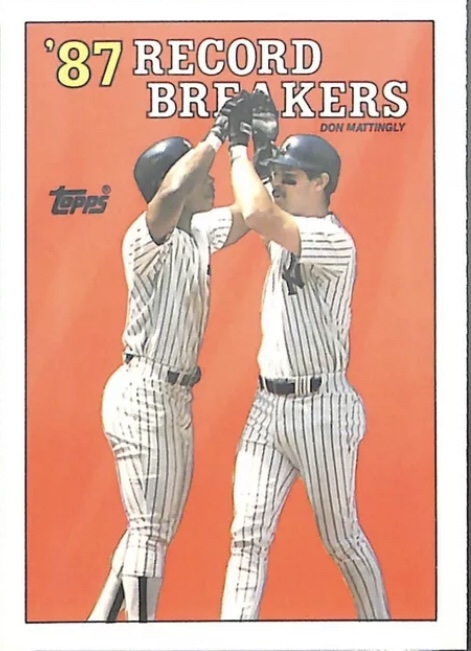
Donald Arthur Mattingly (born in Evansville, IN on April 20, 1961) is an American former professional baseball first baseman, coach, and current manager for the Miami Marlins of Major League Baseball (MLB). Nicknamed “The Hit Man” and “Donnie Baseball“, he spent his entire 14-year career playing with the New York Yankees and later managed the Los Angeles Dodgers for five years. Mattingly graduated from Reitz Memorial High School in Evansville, Indiana, and was selected by the Yankees in the 1979 amateur draft. Debuting with the Yankees in 1982 after four seasons in Minor League Baseball, he emerged as the Yankees’ starting first baseman after a successful rookie season in 1983. Mattingly was named to the American League (AL) All-Star team six times. He won nine Gold Glove Awards (an AL record for a first baseman), three Silver Slugger Awards, the 1984 AL batting title, and was the 1985 AL Most Valuable Player. He served as captain of the Yankees from 1991 through 1995, when he retired as a player. The Yankees later retired Mattingly’s uniform number (23), making him the only Yankee to have his number retired without having won a World Series with the team. Returning to the Yankees as a coach in 2004 for manager Joe Torre, he followed Torre to the Dodgers in 2008, and succeeded him as the Dodgers’ manager in 2011. The Dodgers and Mattingly mutually parted ways after the 2015 season, and he became manager of the Miami Marlins in 2016.
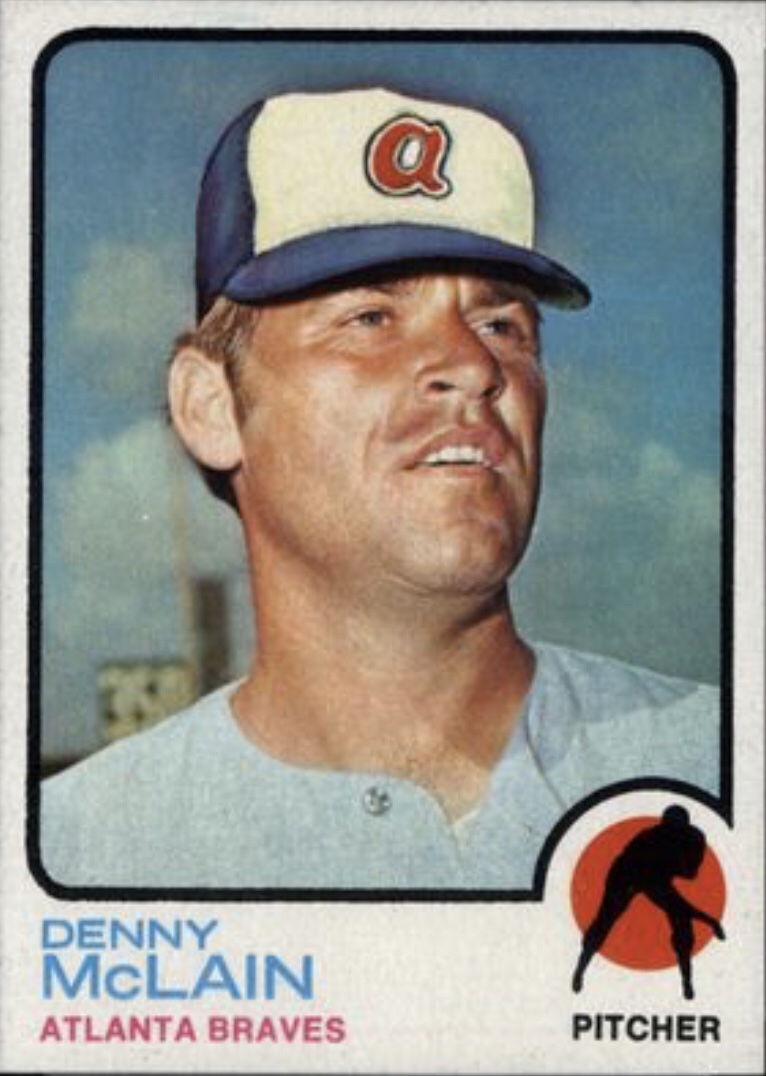
Dennis Dale “Denny” McLain (Born in Markham, IL on March 29, 1944-) had one of the most brilliant rises to stardom and had the potential to go down in history as one of the great pitchers of all-time, but his flamboyant and reckless lifestyle caused the big right-hander to fall from grace just as quickly as he rose. McLain’s flashes of brilliance included tossing a no-hitter in his professional debut with the Harlan Smokies of the Appalachian League, and his Major League debut when he held the White Sox to one earned run on seven hits, picked off two base runners and hit a home run (the only home run of his career). As he moved quickly through the Detroit Tigers organization, he peaked during the 1968 season as he led the American League in wins posting a record of 31-6, winning percentage (.838), starts (41), complete games (28) innings pitched (336.0) and batters faced (1,288). He was masterful that season as he added a 1.96 earned run average, had six shutouts and collected 280 strikeouts to win the American League’s Most Valuable Player award and Cy Young Award, the latter of which by unanimous decision. He led the Tigers to the 1968 American League pennant and helped them win the World Series over fireballer Bob Gibson and the St. Louis Cardinals. Denny again led the AL in wins (24), starts (41), shutouts (9), innings pitched (325.0) and batter faced (1,304) the next season, while completing 23 games and posting a 2.80 ERA en route to his second consecutive Cy Young Award. As the best pitcher in baseball for two years running, McLain was living the high life off the field, a lifestyle that would quickly lead to his demise. The three-time All-Star got involved in organized crime, bookmaking, drugs and behavior that led to numerous reprimands and suspensions from his team, the authorities and Major League Baseball. He even spent over two years in prison. Denny pitched ten seasons in the Majors for the Tigers (1963-1970), the Washington Senators (1971), the Oakland Athletics (1972) and the Atlanta Braves (1972). Over his roller-coaster ten-year career, Denny McLain compiled a 131-91 record with 105 complete games, 1,282 strikeouts and a 3.39 earned run average.
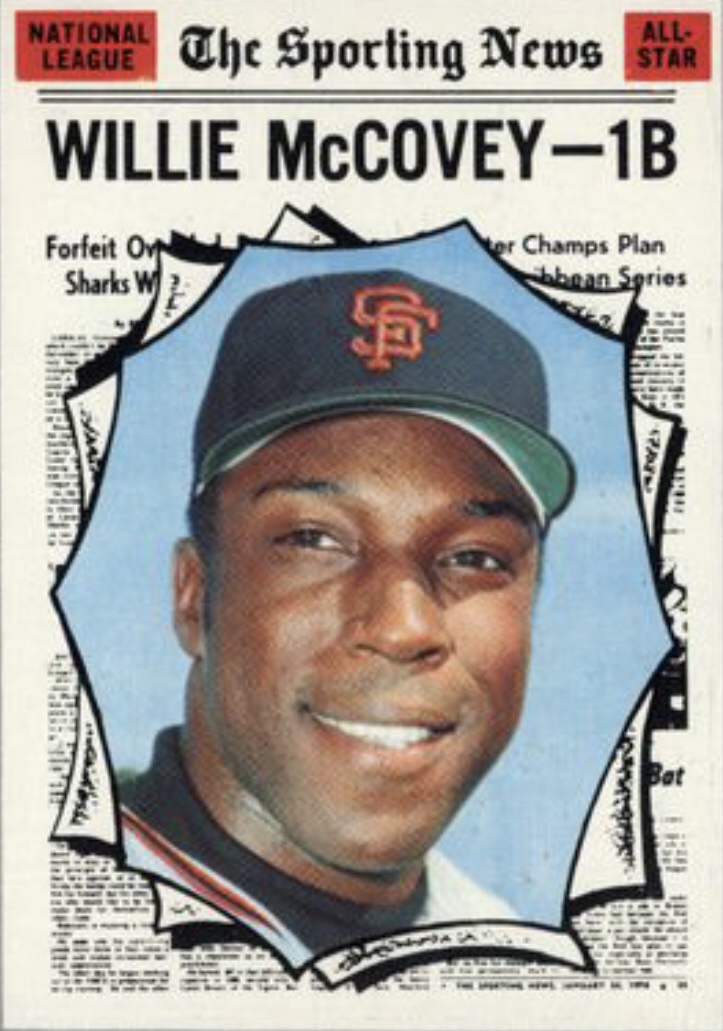
Willie Lee McCovey (Born in Mobile, AL on January 10, 1938 – October 31, 2018) started his career off with a bang going 4-for-4 in his Major League debut against Hall of Fame pitcher Robin Roberts en route to a .354 rookie year batting average and the National League Rookie of the Year Award. Willie played the majority of his career in cavernous Candlestick Park with the San Francisco Giants (1959-1973, 1977-1980) where he hit 264 of his 521 home runs. He and fellow Hall of Famer Willie Mays made up one of the most lethal offensive one-two punches the NL had during the 1950s and ‘60s, blasting 1,181 home runs, collectively, in their illustrious careers. In 1969, McCovey led the NL in home runs, RBI and slugging percentage, missing out on the Triple Crown by .018 points, but capturing the league’s Most Valuable Player award. The six-time All-Star selection retired after posting a career .270 batting average with 2,211 hits, 1,229 runs scored, 521 home runs and 1,555 RBI. An inlet of San Francisco Bay, directly over the right field wall at the Giants home, AT&T Ballpark, has been named McCovey Cove after the feared home run slugger. Willie Lee McCovey was elected to the National Baseball Hall of Fame in 1986.
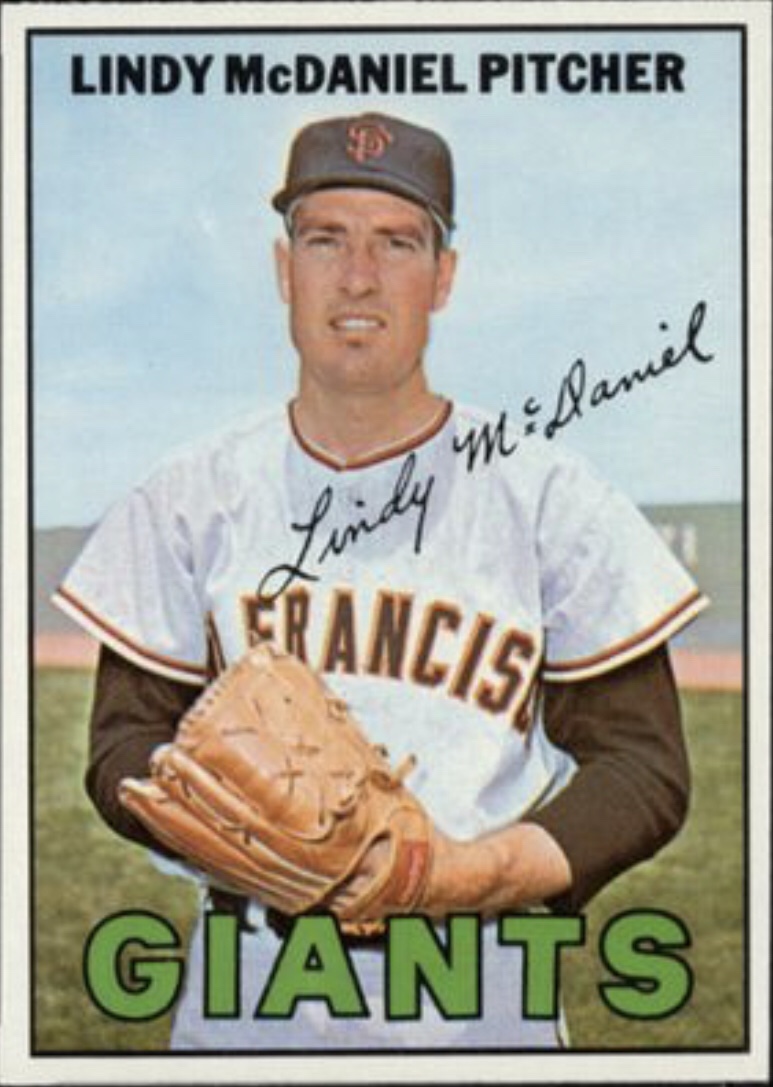
Lyndall Dale “Lindy” McDaniel (Born in Hollis, OK on December 13, 1935-) is a retired right-handed relief pitcher who spent 21 seasons in Major League Baseball, having seen more than 3,500 regular season big league games, played alongside more 300 teammates, and played under eight different managers on five different teams from the 1950s through the 1970s. The St. Louis Cardinals signed McDaniel as an amateur free agent in 1955, and he would spend eight seasons (1955-1962) with the club, earning selection to both legs of the 1960 All-Star Game while placing third in Cy Young Award voting and fifth in MVP balloting, all thanks to his 12-4 record, 1.29 ERA, and 26 saves. Lindy spent three seasons (1963-1965) with the Chicago Cubs, earning his second of two The Sporting News Reliever of the Year Awards (1960, 1963), before playing for the San Francisco Giants (1966-1968) and New York Yankees (1968-1973), finally ending his career as a member of the Kansas City Royals (1974-1975). McDaniel led the league three times in his career: 1959 (15), 1960 (26), and 1963 (22). With the Yankees in 1970, McDaniel amassed a career high 29 saves, tying the franchise record set by Luis Arroyo in 1961, while also going 9-5 with a 2.01 ERA. The righty retired with a lifetime 141-119 record in 987 games, with a 3.45 ERA, 1,361 strikeouts, and 172 saves.
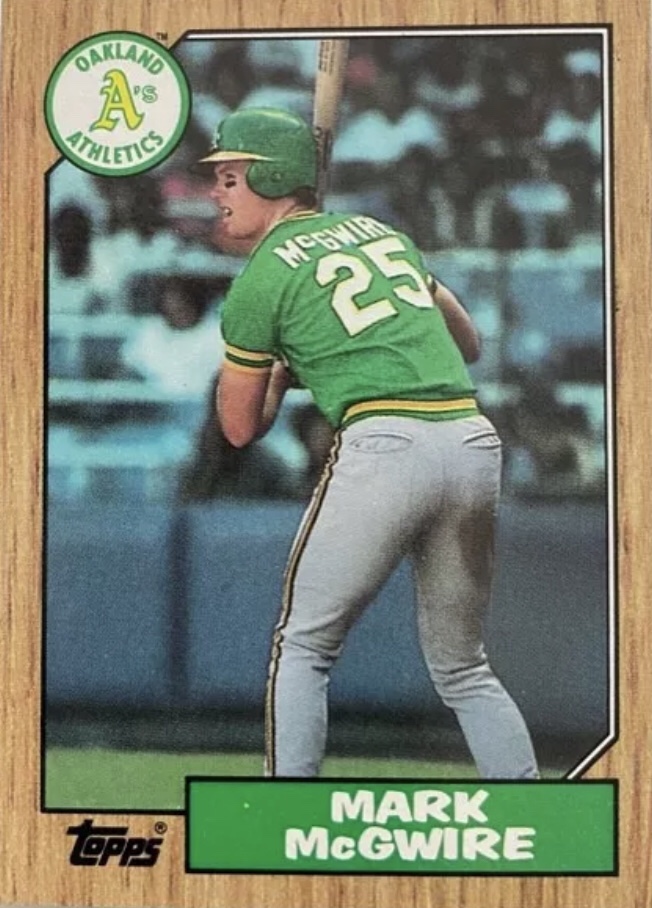
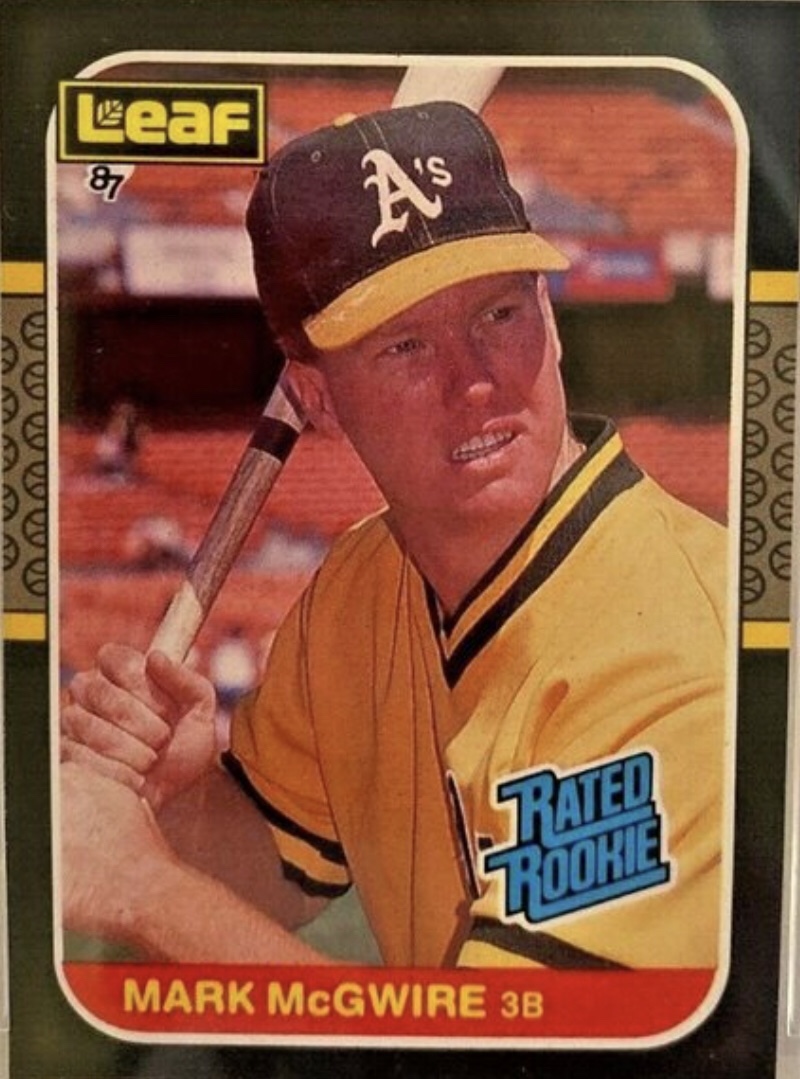
Mark David McGwire (born in Pomona, CA on October 1, 1963), nicknamed Big Mac, is an American former professional baseball first baseman. His Major League Baseball (MLB) playing career spanned from 1986 to 2001 while playing for the Oakland Athletics and the St. Louis Cardinals, winning one World Series championship each, with Oakland as a player in 1989 and with St. Louis as a coach in 2011. One of the most prolific home run hitters in baseball history, McGwire holds the major league career record for at bats per home run ratio (10.6), and is the former record holder for both home runs in a single season (70 in 1998) and home runs hit by a rookie (49 in 1987). He ranks 11th all time in home runs with 583, and led the major leagues in home runs in five different seasons, while establishing the major league record for home runs hit in a four-season period from 1996 to 1999 with 245. Further, he demonstrated exemplary patience as a batter, producing a career .394 on-base percentage (OBP) and twice leading the major leagues in bases on balls. Injuries cut short the manifestation of even greater potential as he reached 140 games played in just eight of 16 total seasons. A right-handed batter and thrower, McGwire stood 6 feet 5 inches (1.96 m) tall and weighed 245 pounds (111 kg) during his playing career. A part of the 1998 Major League Baseball home run record chase of Roger Maris’ 61 with the Cardinals, McGwire set the major league single-season home run record with 70, which Barry Bonds broke three years later with 73. McGwire also led the league in runs batted in, twice in bases on balls and on-base percentage, and four times in slugging percentage. Injuries significantly cut into his playing time in 2000 and 2001 before factoring into his retirement. He finished with 583 home runs, which was fifth all-time when he retired. McGwire was one of several central figures in baseball’s steroids scandal. In 2010, McGwire publicly admitted to using performance-enhancing drugs during a large portion of his career.
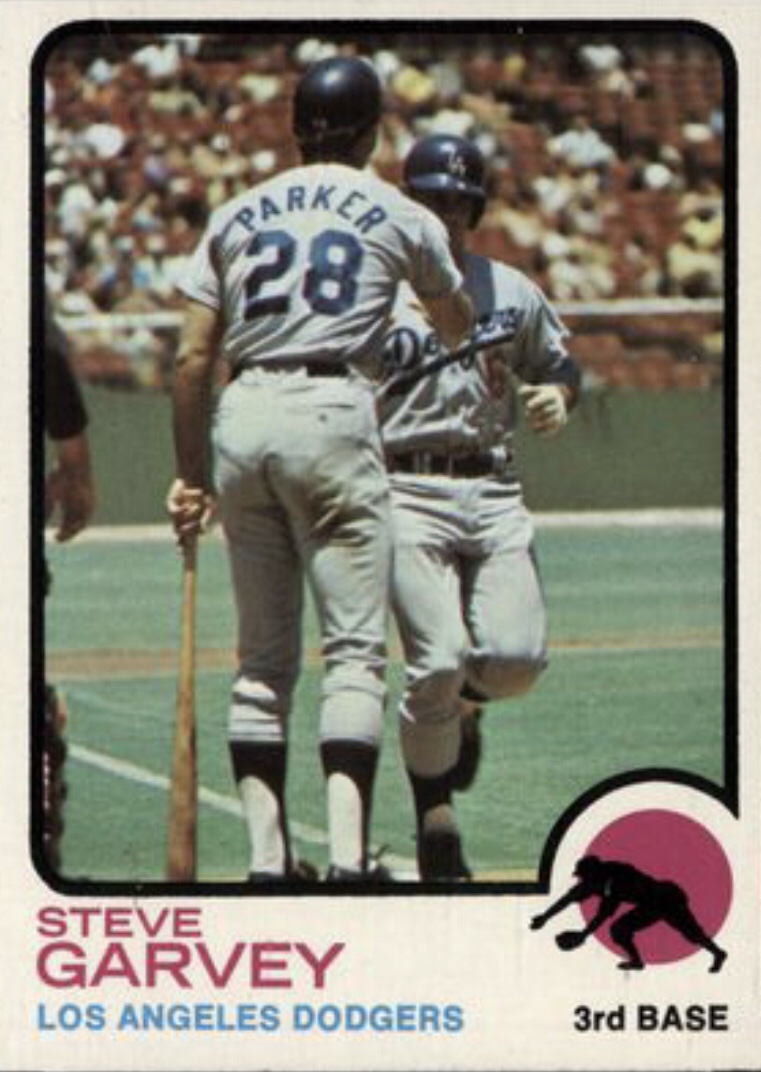
Steven Patrick Garvey (Born in Tampa, FL on December 22, 1948-) holds the National League record for most consecutive games played at 1,207 and was a member of the a Los Angeles Dodgers infield that spent 8-1/2 years together, making them one of the longest-running infields in MLB history. Steve came up in the Dodgers organization as a third baseman, but was moved to first with the departure of Bill Buckner and the emergence of Ron Cey. Though he had enjoyed increasing success for three seasons, in 1974 Garvey became the breakout star of the Dodgers and the National League as he collected 200 hits, 21 home runs and 111 RBI with a .304 batting average, earned his first of eight straight All-Star selections (ten in all), won the 1974 MLB All-Star Most Valuable Player award and won the National League Most Valuable Player award. Steve Garvey had arrived. From 1974-1980, Steve had 200 hits or more in three consecutive seasons on two separate occasions (1974-1976, 1978-1980). In 1978, he won his second All-Star Game MVP and led the Dodgers to the World Series and was named the NLCS Most Valuable Player as he hit four home runs on seven hits, driving in seven RBI and batting .389 over the four-game sweep of the Montreal Expos. In 1983, Steve signed a contract with the downstate National League West rival San Diego Padres. In 1984, Garvey led San Diego to their first National League pennant and earned his third NLCS MVP award, but the Padres fell to the Detroit Tigers in five games. “Mr. Clean”, as he was know to the press and his teammates due his reputation for keeping a clean public image, was named the 1981 Roberto Clemente Award winner as “the player who best exemplified the game of baseball, sportsmanship, community involvement and the individual’s contribution to his team.” In 1984, he earned the Lou Gehrig Memorial Award as “the player best exemplified Lou Gehrig’s character and integrity both on and off the field” He was an incredible infielder with a tremendous glove posting a .996 fielding percentage with 18,884 putouts in 19,951 chances and earning four NL Gold Gloves. Steve Garvey retired after the 1987 season having collected 2,599 hits including 440 doubles and 272 home runs, scored 1,143 runs, drove in 1,308 RBI and batted .294 over his 19-year career with the Dodgers (1969-1982) and the Padres (1983-1987).
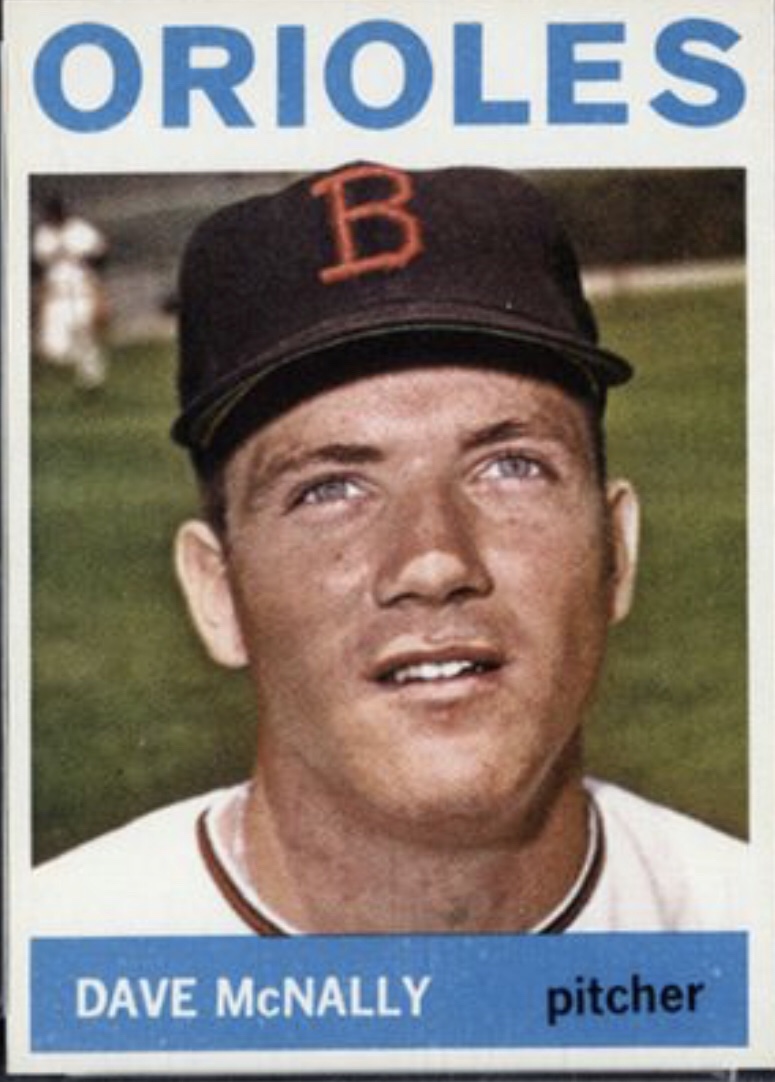
David Arthur “Dave” McNally (Born in Billings, MT on October 31, 1942 – December 1, 2002) owns a number of unique distinctions in Major League Baseball lore, but his most notable feat came when he hit a grand slam in Game 3 of the 1970 World Series – the only pitcher in history to accomplish the feat. The ball and his bat are enshrined at the National Baseball Hall of Fame. Beginning well before his exploits during the World Series, McNally was a key member of one of the greatest pitching staffs ever assembled. While pitching legion ball in his native Montana, Dave went 18-1 in 1958 and in one game, struck out 27 batters including five in a single inning. The Baltimore Orioles quickly swooped in to sign the talented left-hander in 1960 and sent him to the minor for seasoning. McNally debuted with the O’s in 1962 throwing a complete game 2-hit shutout against the Kansas City Athletics. He joined the Baltimore rotation in 1963 and pitched alongside Hall of Famers Robin Roberts and Jim Palmer and All-Stars Mike Cuellar, Pete Richert and Pat Dobson, among so many other talented hurlers. McNally and the Orioles defeated the defending champion Los Angeles Dodgers, led by the Hall of Fame pitching staff of Sandy Koufax, Don Drysdale and Don Sutton, in the 1966 World Series to capture Baltimore’s first title in franchise history. It was the beginning of a dynamic era in Baltimore for McNally, the ace of the staff, as he put together a four-year string of 20-win seasons (1968-1971) capped off with his 1970 career year when he tied for the the American League lead in wins with 24 (teammate Mike Cuellar also posted 24 wins in 1970) and led the AL in starts (40). He earned All-Star selections in 1969, 1970 and 1972, finished in the top four in Cy Young voting each your from 1969 to 1971, and earned AL MVP consideration four times. On the backs of the premier pitching staff, big hitting from sluggers Frank Robinson and Boog Powell and expert fielding anchored by Brooks Robinson, the Orioles won the American League pennant and World Series for the second time in five years, defeating the Cincinnati Reds in the 1970 World Series. Dave pitched 13 years in Baltimore (1962-1974) and finished his career with the Montreal Expos for one season (1975) playing his entire season with Montreal without a contract, in opposition of Major League Baseball’s “reserve clause. Dave McNally retired following the 1975 season having posted a 184-119 record with 1,512 strikeouts, 120 complete games, 33 shutouts and a 3.24 ERA in 424 appearances and 396 starts.
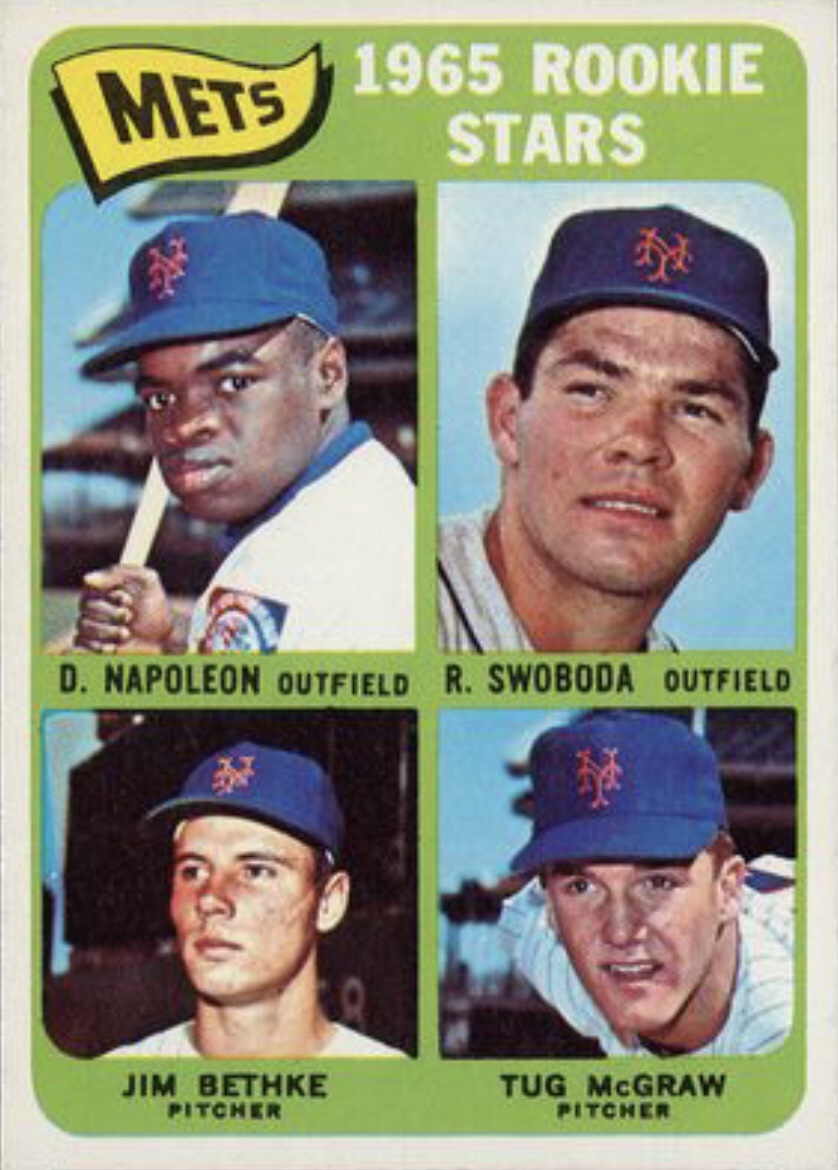
Frank Edwin “Tug” McGraw, Jr. (August 30, 1944 – January 5, 2004) was born in Martinez, California, and raised in the Bay Area. After playing baseball through high school and junior college, McGraw signed an amateur free agent contract with the New York Mets in 1964. He spent one season in the farm system, before making the big league club out of spring training in 1965. After having some success in ’65, McGraw struggled the following season. He was sent back to the minor leagues after four games in the 1967, where he played for the Jacksonville Suns for the remainder of ’67, and all of 1968. Tug McGraw returned to the major league club in 1969, and from his position in the bullpen was an excellent accompaniment to a young Mets rotation that included Nolan Ryan, Tom Seaver and Jerry Koosman. The Mets finished the season in first place, and moved through the playoffs. McGraw saw only limited action in the postseason, but had front row seats for the Amazing Mets’ World Series victory over the Baltimore Orioles. The lefty developed into one of the league’s premier relief pitchers in the early 1970s, and made his first all-star appearance in 1972. The following year he took a leadership role on the team. McGraw is credited with first using, and then continually reinforcing “Ya Gotta Believe,” as a rally cry for the 1973 Mets. The phrase took hold, and became a saying that popularized the team. After being in last place on August 30, the Mets rallied to clinch the division crown on the final day of the season. They defeated the Cincinnati Reds in the NLCS, before ultimately losing to the Oakland A’s in a World Series that went the full seven games. McGraw pitched well throughout the playoffs, making two appearances in the NLCS, and five in the World Series. The Mets traded Tug McGraw to the Philadelphia Phillies after the 1974 season. The Phillies built a strong veteran-based squad over the next several years, and in 1980 won the NL Eastern Division title in the last game of the season on their way to defeating the Houston Astros in the NLCS. They then defeated the Kansas City Royals in a World Series that lasted six games. McGraw appeared in four-of-six World Series games, striking out 10 batters in 7.2 innings. He struck out Willie Wilson with the bases loaded in the ninth inning to end the game and clinch the series for Philadelphia. Tug McGraw played four more seasons in Philadelphia, although the amount of action that he saw dwindled significantly. He retired after the 1984 season, having spent 19 years in the major leagues, twice being named to the National League All-Star team, and winning two World Series championships. Tug McGraw is the father of country singer, Tim McGraw, the result of a brief relationship with the singer’s mother. Though the two were estranged during Tim’s childhood, they developed a close relationship later. He was working as an instructor at Phillies spring training when McGraw was hospitalized with a brain tumor. Surgery ensued, from which the original prognosis was good. However, the tumor returned in an inoperable form, and McGraw passed away on January 5, 2004. Tim McGraw’s hit, “Live Like You Were Dying,” was recorded in Tug’s honor.
Card also highlights: D. Napoleon, R. Swaboda, and J. Bethke.
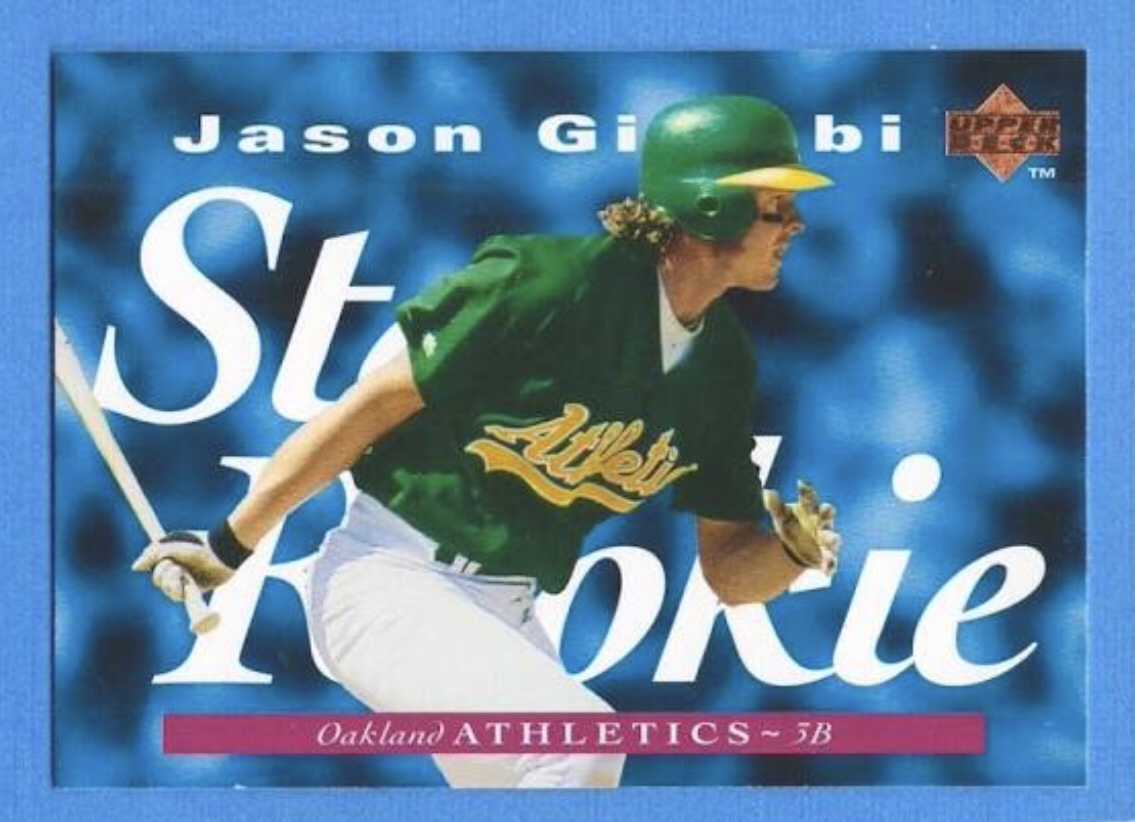
Jason Gilbert Giambi (born in West Covina, CA on January 8, 1971) is an American former professional baseball first baseman and designated hitter. In his Major League Baseball (MLB) career, which began in 1995, Giambi played for the Oakland Athletics, New York Yankees, Colorado Rockies, and Cleveland Indians. He is the older brother of former MLB player Jeremy Giambi. Giambi was the American League (AL) MVP in 2000 while with the Athletics, and is a five-time All-Star, who led the AL in walks four times; in on-base percentage three times; and in doubles and slugging percentage once each; he also won the Silver Slugger Award twice. Giambi has publicly apologized for using performance-enhancing drugs during his career.
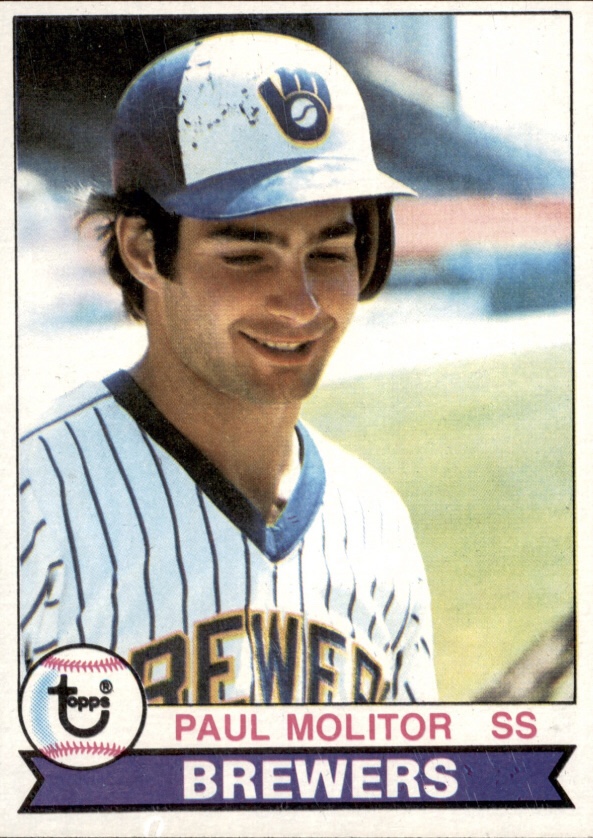
Paul Leo Molitor (born in St. Paul, MN on August 22, 1956), nicknamed “Molly” and “The Ignitor”, is an American former Major League Baseball (MLB) player and former manager of the Minnesota Twins, who is in the Baseball Hall of Fame. During his 21-year baseball career, he played for the Milwaukee Brewers (1978–1992), Toronto Blue Jays (1993–1995), and Minnesota Twins (1996–1998). He was known for his exceptional hitting and speed. He made seven All-Star Game appearances, and was the World Series MVP in 1993. Molitor began as a shortstop, then moved to second base when Robin Yount returned from a brief injury. He made his MLB debut in 1978, playing in 125 games and hitting .273 with 6 home runs, 45 RBIs and 30 stolen bases. In 1981, he spent time at center field and right field to avoid the injuries associated with infield play. Molitor was moved to third base before the 1982 season. Molitor was part of a young Milwaukee Brewers team that lost the 1982 World Series in seven games to the St. Louis Cardinals. Molitor batted .355 during the series. In Game 1, he had five hits, a World Series record. During the 1982 season, he hit .302 and led the American League (AL) with 136 runs scored. On May 12, he hit three home runs against the Royals in a 9-7 loss. Molitor struggled with injuries for much of his early career, being placed on the disabled list six times between 1980 and 1986. In 1984, Molitor struggled with elbow problems, played in only 13 games and ultimately underwent surgery in an attempt to salvage his career. He played in 140 games in 1985, hitting .297 with 10 home runs and 48 RBIs. He followed that with a .281 average, 9 home runs and 55 RBI in 1986. That year he suffered a hamstring injury, returned for a few days, then reinjured it. He played in 105 games that season. Molitor attracted national media attention in 1987 during his 39-game hitting streak. Near the end of the streak, columnist Mike Downey wrote that “the amazing thing about Paul Molitor’s recent bat-o-rama is not that he has hit in 33 straight games but that he has played in 33 straight games.” The streak ended with Molitor in the on-deck circle when Rick Manning got a game-ending hit to beat the Cleveland Indians on August 26, 1987. Fans booed Manning for driving in the winning run and thus depriving Molitor of one last chance to reach 40 games. The streak stands as the fifth-longest in modern-day baseball history, and remains the longest since Pete Rose’s 44-game hit streak in 1978.







 High Quality Baseball Cards