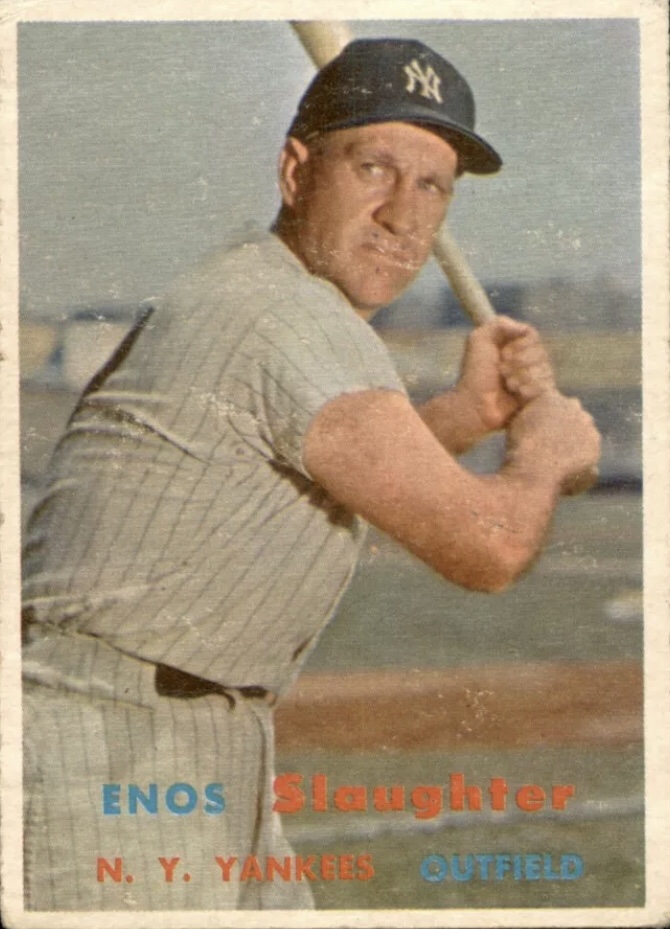
Enos Bradsher Slaughter (Born in Roxboro, NC on April 27, 1916 – August 12, 2002), nicknamed “Country“, was an American Major League Baseball (MLB) right fielder. He played for 19 seasons on four major league teams from 1938–1942 and 1946–1959. He is noted primarily for his playing for the St. Louis Cardinals and is best known for scoring the winning run in Game 7 of the 1946 World Series. A ten-time All-Star, he has been elected to both the National Baseball Hall of Fame and St. Louis Cardinals Hall of Fame. The Martinsville Manufacturers were Slaughter’s first professional team, in 1935. When Slaughter was a minor leaguer in Columbus, Georgia, he went running towards the dugout from his position in the outfield, slowed down near the infield, and began walking the rest of the way. Manager Eddie Dyer told him, “Son, if you’re tired, we’ll try to get you some help.” During the remainder of his major-league career, Slaughter ran everywhere he went on a baseball field. In 1937, he had 245 hits and 147 runs scored for Columbus. Slaughter batted left-handed and threw right-handed. He was renowned for his smooth swing that made him a reliable “contact” hitter. Slaughter had 2,383 hits in his major league career, including 169 home runs, and 1,304 RBI in 2,380 games. Slaughter played 19 seasons with the Cardinals, Yankees, Kansas City Athletics, and Milwaukee Braves. During that period, he was a ten-time All-Star and played in five World Series. His 1,820 games played ranks fifth in Cardinals’ history behind Yadier Molina, Ozzie Smith, Lou Brock, and Stan Musial. He presently ranks third in RBI with 1,148; sixth in ABs with 6,775; and seventh in doubles with 366. After debuting with the Cardinals in 1938, Slaughter became an everyday outfielder for them in 1939. Slaughter served for three years in the Army Air Corps during World War II. He was a Sergeant who taught physical education.[6] Slaughter helped set up baseball teams in Tinian and Saipan, and their games inspired the troops while drawing upwards of 20,000 spectators.[7]Immediately upon return from his military service in 1946, Slaughter led the National League with 130 RBI and led the Cardinals to a World Series win over the Boston Red Sox. In the decisive seventh game of that series, Slaughter, running with the pitch, made a famous “Mad Dash” for home from first base on Harry Walker’s hit in the eighth inning, scoring the winning run after a delayed relay throw by the Red Sox’ Johnny Pesky. The hit was ruled a double, though most observers felt it should have been ruled a single, as only the throw home allowed Walker to advance to second base. This play was named #10 on the Sporting News list of Baseball’s 25 Greatest Moments in 1999. Slaughter was known for his hustle, especially for running hard to first base on walks, a habit later imitated by Pete Rose and David Eckstein. Slaughter was reported at the time as being one of the leaders in racial taunting against the first black major league player, Jackie Robinson and was accused of conspiring with teammate Terry Moore in an attempt to get the Cardinals to refuse to play Brooklyn with Robinson on the field. Sportswriter Bob Broeg, who covered the team at that time, refutes this claim and says that NL president Ford Frick considered the Cardinals fairer towards Robinson than any of the other teams. Slaughter later injured Robinson during a game by inflicting a seven-inch gash from his shoe spikes on Robinson’s leg. Slaughter denied that he had any animosity towards Robinson, claiming that such allegations had been made against him because he was “a Southern boy”, and that the injury suffered by Robinson had been typical of Slaughter’s rough playing style. None of the contemporary accounts of the spiking suggested that the incident was intentional. With the Yankees, Slaughter did not play as much, but he excelled as a pinch hitter for the ballclub. He batted fifth and played in left field in Game 5 of the 1956 World Series in which teammate Don Larsen pitched the only perfect game in World Series history, a 2–0 Yankees win. At age 40, he was the oldest player for either team in the game.
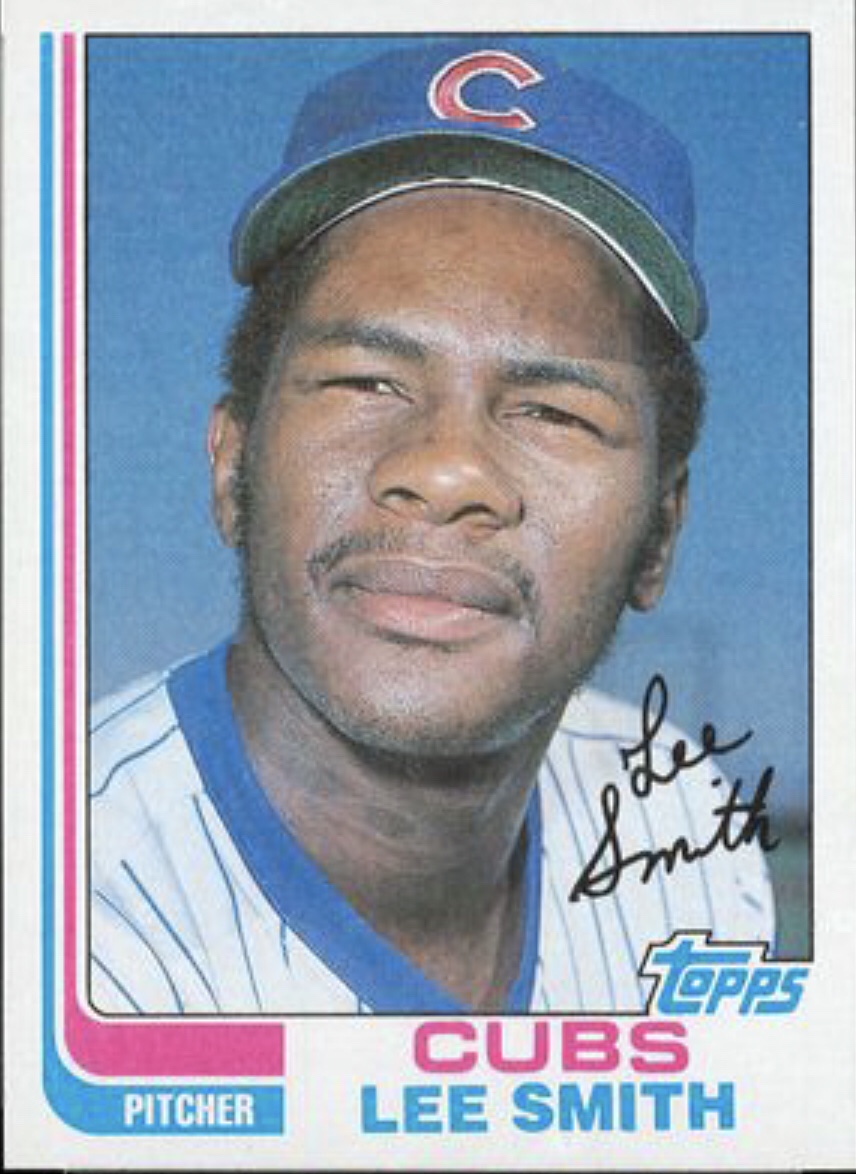
Lee Arthur Smith (Born in Jamestown, LA on December 4, 1957-) was one of the Major League’s most dominant closers of all time, and held the record for career saves (478) from 1993 to 2006. The Chicago Cubs drafted Lee in the second round of the 1975 amateur draft. His Major League debut came on September 1, 1980 for the Cubs, and played for the Cubs (1980-1987), Boston Red Sox (1988-1990), St. Louis Cardinals (1990-1993), New York Yankees (1993), Baltimore Orioles (1994), California Angels (1995-1996), Cincinnati Reds (1996), and Montreal Expos (1997). Smith was a seven-time All-Star, a two-time Rolaids Relief Man of the Year (1991, 1992), and the 1994 American League Rolaids Relief Man of the Year. In 1991, Smith set a National League record with 47 saves for the Cardinals and was runner-up for the league’s Cy Young Award. He also set the major league career record for games finished (802) and holds the team records for career saves for the Cubs (180). He retired with a 71-92 record, a 3.03 ERA, 1,251 strikeouts, and 478 career saves.
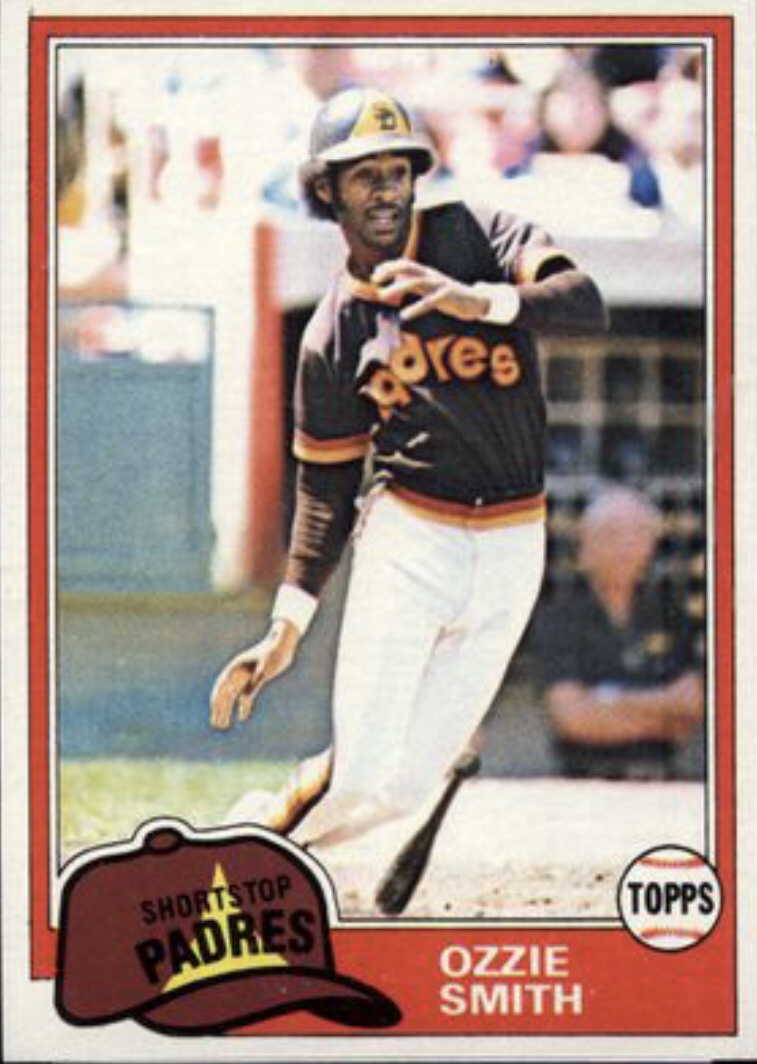
Osborne Earl “Ozzie” Smith (Born in Mobile, AL on December 26, 1954-) was a magician at the shortstop position for the San Diego Padres (1978-1981) and the St. Louis Cardinals (1982-1996) wowing fans and inspiring a generation of future shortstops. The Wizard of Oz’ amazing agility and acrobatic plays helped him win a record 13 consecutive Gold Glove Awards, leading the National League seven times in fielding percentage and also garnered him 15 All-Star selections. Smith’s eight errors in 1991 remains a National League record of fewest in a season. Ozzie helped guide the Cardinals to three NL pennants during the 1980s, capturing the 1982 World Series in his first season with the Redbirds. Quite possible the greatest shortstop in the history of the game defensively, Ozzie hit one of the most memorable home runs in baseball history in Game 5 of the NLCS in the ninth-inning to beat the Dodgers. In 1992, Smith collected both his 2000 hit and 500 stolen base. Ozzie Smith finished his career with a .262 batting average, 2,450 hits, 1,257 runs, 793 RBI and 580 stolen bases. Osborne Earl “Ozzie” Smith was elected to the National Baseball Hall of Fame in 2002.
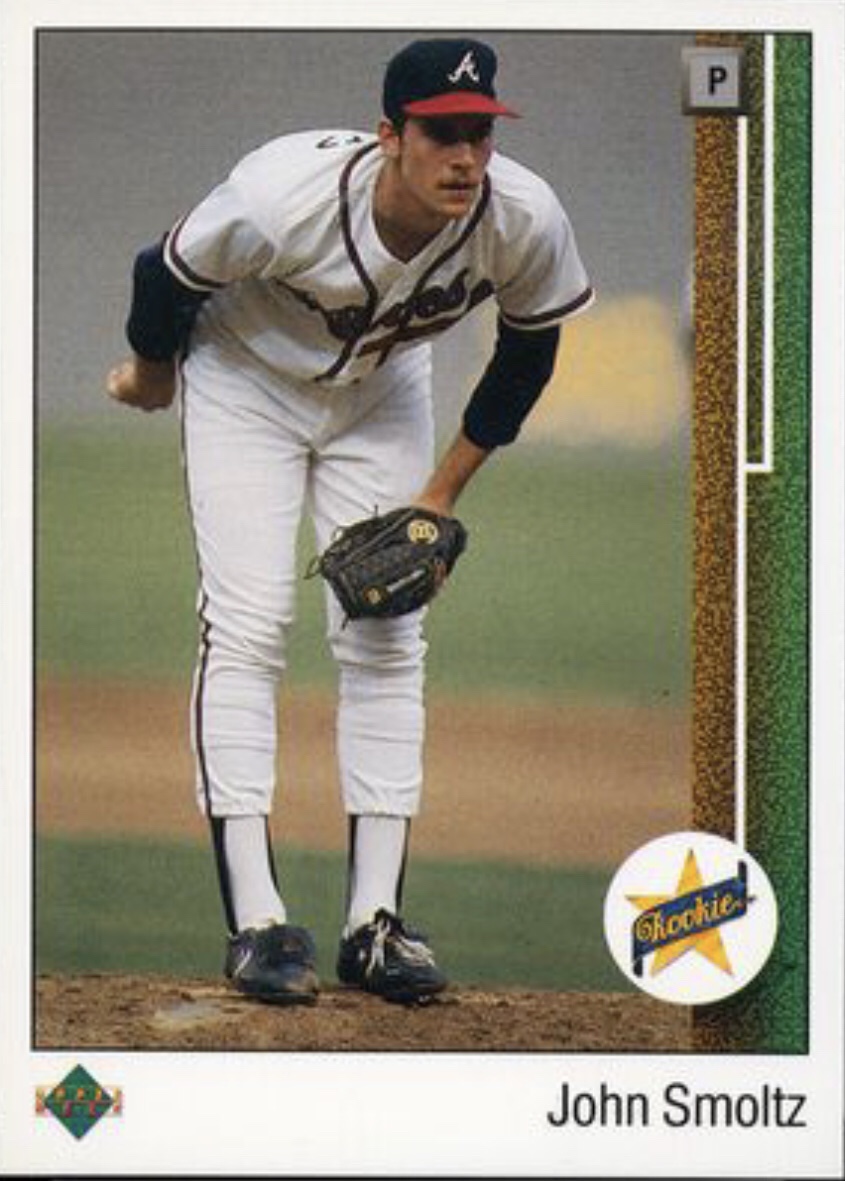
John Andrew Smoltz (Born in Detroit, MI on May 15, 1967-) is only the second pitcher in Major League history to record both a 20-win season and a 50-save season (with Dennis Eckersley) and is the only pitcher in history to have 20 wins and 150 saves. After he won All-State honors in baseball and basketball, the Detroit Tigers selected John in the 22nd round of the 1985 MLB June Amateur Draft, immediately shipping him to Single-A Lakeland for seasoning. The Tigers then shipped him to the Atlanta Braves for Doyle Alexander, a veteran righthander to help them in the pennant race. Smoltz joined a promising, young pitching staff that would set the pace during the 1990s and dominate the National League with power, pinpoint accuracy and extraordinary control. His repertoire consisted of a four-seam fastball, slider, curveball and change-up, but his split-finger fastball devastated batters and he used it effectively as his “out” pitch. Smoltz held the number three spot in the Atlanta Braves rotation that included control pitcher and four-time Cy Young Award winner Greg Maddux, left-hander and two-time Cy Young Award winner Tom Glavine, who could paint the outside of the plate like no other. In 1996, John went 24-8, leading the National League in wins, winning percentage (.750), innings pitched (253.2) and strikeouts (276) to win his one and only NL Cy Young Award. From 1991 to 1998, Glavine, Maddux or Smoltz won seven out of eight possible NL Cy Youngs. With the help of this superior rotation, the Braves won eight National League East Division titles from 1991 to 1999, and 14 titles from 1991 to 2005. They also played in five World Series, winning the 1996 Fall Classic against the Cleveland Indians. Hampered by injuries in the late 1990s, Smoltz underwent Tommy John surgery prior to the 2000 season. In 2001, he struggled to return to the starting rotation and due to the physical demand put on his arm with high pitch counts, so manager Bobby Cox began utilizing the veteran out of the bullpen and he was eventually inserted into the closer role. In his first full season as the Braves closer, he led the NL in saves with 55 earning the NL Rolaids Relief Man of the Year Award and added 45 and 44 in the next two seasons. He returned to the Braves starting rotation in 2005 and led the NL in wins the following season with 16. He was named the 2005 ML Roberto Clemente Award recipient and 2005 ML Lou Gehrig Memorial Award winner. John pitched 21 seasons in the Major Leagues with the Braves (1988-1999/2001-2008), the Boston Red Sox (2009) and the St. Louis Cardinals (2009). John Smoltz finished his career with a 213-155 record, 53 complete games, 16 shutouts and 154 saves in 481 starts, 204 games finished and 723 starts. He also became the 16th pitcher in history to top the 3,000 strikeouts mark, finishing with 3,084. The eight-time All-Star also won the 1997 Silver Slugger award, but despite being a decent fielder was unable to prior the NL Gold Glove Award away from teammate Greg Maddux, who won 13 straight and 19 in total. In 2010, Smoltz was added to the Peachtree TV broadcasting team with Joe Simpson covering the Atlanta Braves. John Smoltz was inducted into the National Baseball Hall of Fame in 2015. With his induction in 2015, Smoltz, Greg Maddux and Tom Glavine joined only a handful of starting rotations to each enter the Hall.
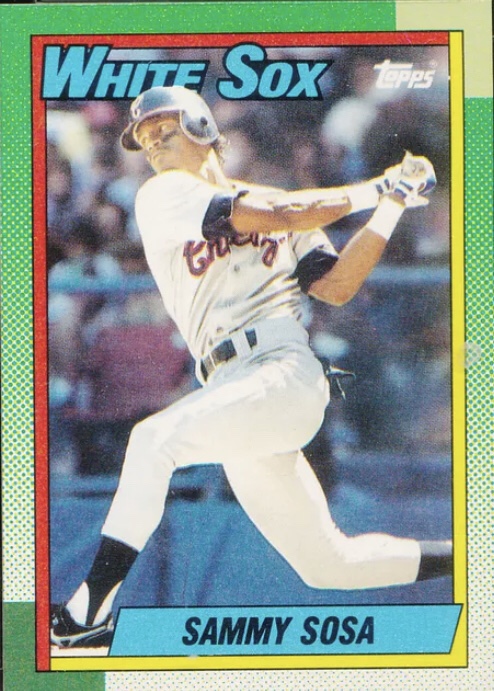
Samuel Peralta Sosa (born in San Pedro de Macoris, Dominican Republic on November 12, 1968) is a Dominican American former professional baseball right fielder. He played in Major League Baseball (MLB) for 19 seasons, primarily with the Chicago Cubs. After playing for the Texas Rangers and Chicago White Sox, Sosa joined the Cubs in 1992 and became regarded as one of the game’s best hitters. Sosa hit his 400th home run in his 1,354th game and his 5,273rd at-bat, reaching this milestone quicker than any player in National League history. He is one of nine players in MLB history to hit 600 career home runs. In 1998, Sosa and Mark McGwire achieved national fame for their home run-hitting prowess in pursuit of Roger Maris’ home run record. With the Cubs, Sosa became a 7-time All-Star while holding numerous team records. He finished his career with stints with the Baltimore Orioles and the Rangers for a second time.[2] With the Rangers, Sosa hit his 600th career home run to become the fifth player in MLB history to reach the milestone. Sosa is second all-time in home runs among foreign-born MLB players and is one of only three National League players since 1900 to reach 160 RBIs in one season (2001). He is also the only player to have hit 60 or more home runs in a single season three times, which he accomplished in 1998, 1999 and 2001. He did not lead the league in home runs in any of those seasons, although he did lead the league in 2000 with 50 home runsIn a 2005 congressional hearing, Sosa—through his attorney—denied having used performance enhancing drugs.
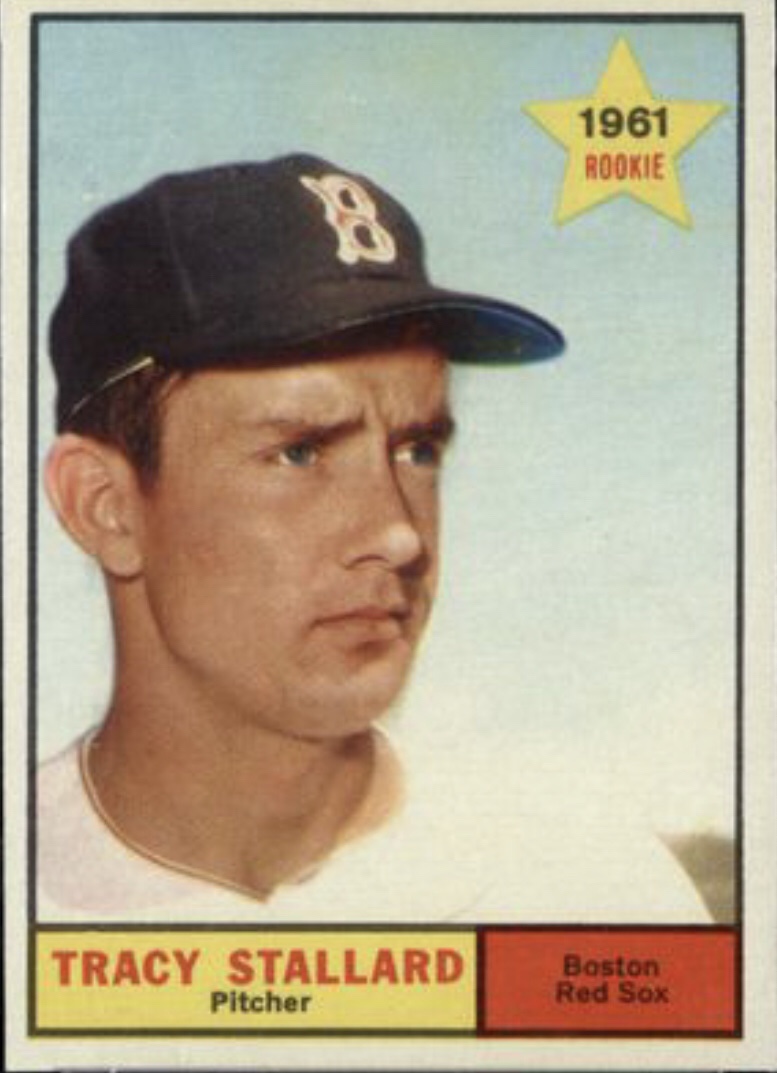
Evan Tracy Stallard (Born in Coeburn, VA on August 31, 1937–December 6, 2017) was a pitcher for the Boston Red Sox (1960-1962), New York Mets (1963-1964) and St. Louis Cardinals (1965-1966). Stallard had a lifetime 30-57 record with a 4.17 ERA. He is remembered most for having surrendered Roger Maris’ 61st home run in 1961.
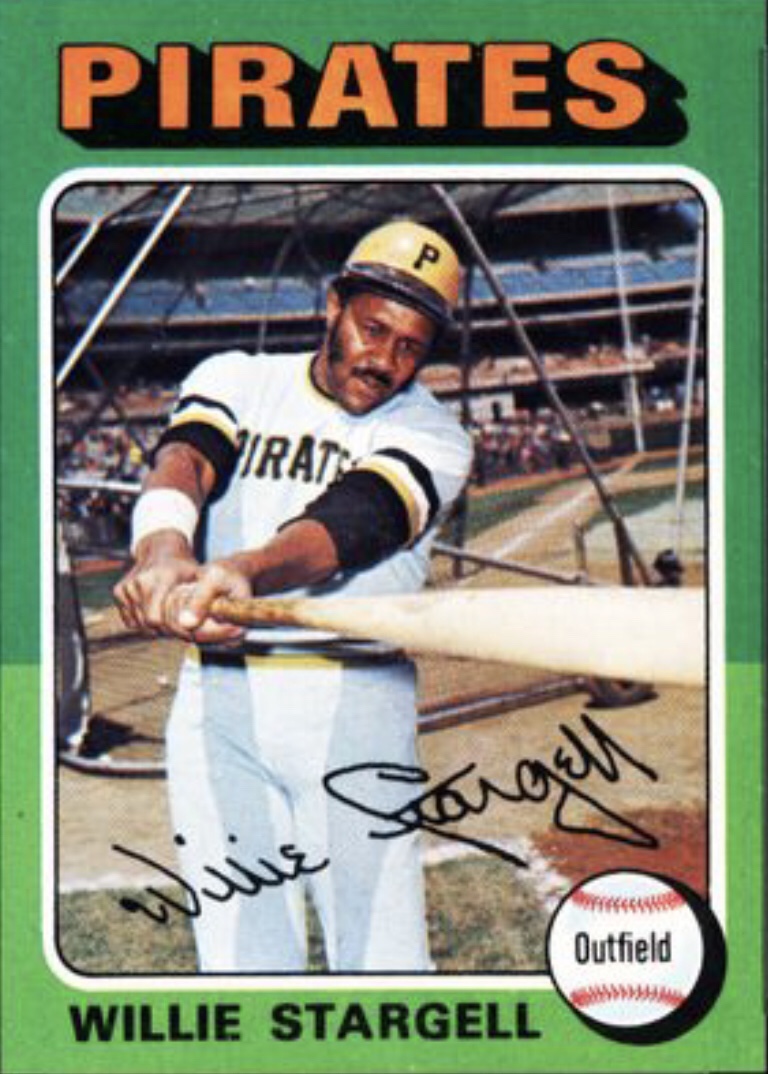
Wilver Dornel Stargell (Born in Earlsboro, OK on March 6, 1940 – April 9, 2001) is the oldest player to earn either league’s Most Valuable Player Award when he captured it in 1979 at the age of 39. Called “Pops’ by his teammates for his father-figure like nature, Stargell starred for the Pittsburgh Pirates for 21 seasons (1962-1982) where he led by example. Willie became the Pirates leader after the untimely death of teammate and Hall of Famer Roberto Clemente. Willie was one of the premier home runs hitters of his era, blasting 475 tape-measure shots that reached heights and distances that remain legendary. Stargell was one of two players to hit a ball completely out of Dodger Stadium, and he did it twice. Willie and his bat guided the Bucs to two World Series titles (1971, 1979) and was a seven-time All-Star selection. In 1979, he became the first player to sweep the MVP awards honors when he shared the National League MVP Award with Keith Hernandez, and captured both the NLCS MVP Award and the 1979 World Series MVP Award. With a career riddled with injuries and nagging pain, Willie Stargell retired in 1982 after posting 2,232 hits, 1,195 runs, 1,540 RBI, 475 home runs and a career .282 batting average. Wilver Dornel Stargell was elected to the National Baseball Hall of Fame in 1988.
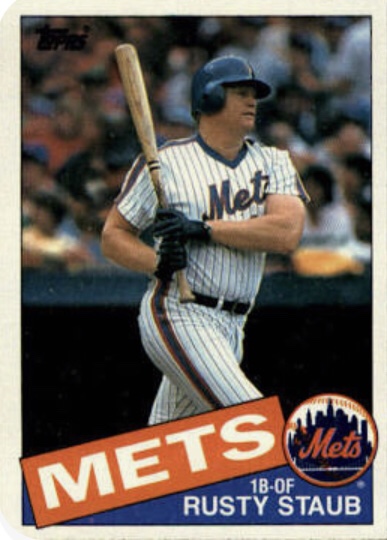
Daniel Joseph “Rusty” Staub (Born in New Orleans, LA on April 1, 1944 – March 29, 2018) was an American professional baseball player and television color commentator. He played in Major League Baseball for 23 seasons as a right fielder, designated hitter, and first baseman. A six-time All-Star known for his hitting prowess, Staub produced 2,716 hits over his playing career, just 284 hits shy of the 3,000 hit plateau. He was an original member of the Montreal Expos and the team’s first star. Although he played just 518 of his 2,951 games as an Expo, his enduring popularity led them to retire his number in 1993, while the Mets inducted him into their team Hall of Fame in 1986. Staub signed his first professional contract with the expansion team Houston Colt .45s organization in 1961. He spent the 1962 season in the Class B Carolina League, and at season’s end he was named one of the league’s all-stars. Following that season, Staub was signed to a US$100,000 Major League contract under the Bonus Rule. In his first season, aged 19, he played regularly, splitting time between first base with and the outfield, but hit only .220. He became only the second major league rookie since 1900 to play 150 games as a teenager; the first had been Bob Kennedy, also 19, with the Chicago White Sox in 1940. The following season, he hit only .216 for the Colts and was sent down to the minor leagues at one point. His statistics steadily improved in the 1965 season for his team, which had been renamed the Astros, and he had a breakout 1967 season, when he led the league in doubles with 44 and was selected to the All-Star team. He repeated as an All-Star for the Astros in 1968. Staub did not get along with Harry Walker, hired by the Astros on June 17, 1968 to move from hitting coach to manager. Walker and general manager H.B Richardson (who felt he was not getting the most out of his contract) decided to trade Staub to the Montreal Expos before the start of their inaugural season in 1969 as part of a deal for Donn Clendenon and Jesús Alou. The trade became a source of controversy as Clendenon (who thought Walker was a racist from his playing days with him in Pittsburgh) refused to report to the Astros and attempted to retire; the deal had to be resolved by Commissioner of Baseball Bowie Kuhn who ruled that the deal was official, but that Clendenon was to stay with the Expos. Montreal eventually dealt Jack Billingham, Skip Guinn, and $100,000 as compensation. Staub was embraced as the expansion team’s first star, and became one of the most popular players in their history. Embraced by French Canadians because he learned their language, he was nicknamed “Le Grand Orange” for his red hair (his more common nickname of “Rusty” has the same origin). In his first year with the Expos, he played in 158 games, having 166 hits, 89 runs, 29 home runs, 79 RBIs on a .302 batting average with a .426 OBP and a .952 OPS. He walked 110 times while striking out 61 times. He played 156 games (with 152 complete games, a career high) in right field for 1,355.1 innings, having 265 putouts, 16 assists, 10 errors, and two double plays turned for a .966 fielding percentage. He was named to the All-Star Game for the third straight year, although he did not play. He finished in the top ten for the National League in numerous categories, such as 10th in batting average, 4th in OBP, total bases (289, 10th), walks (3rd), but also right field categories putouts (2nd), assists and errors (1st). The following year, he played 160 games while having 156 hits, 98 runs, 30 home runs (a career highs) while batting .274 with a .394 OBP and a .891 OPS. He had 112 walks and 93 strikeouts, both career highs. He played 160 games in right field, having 145 complete games in 156 games (a career high) started for a total of 1,374.2 innings. He had 308 putouts, 14 assists, five errors, four double plays and a .985 fielding percentage. He was named to the All-Star Game for the fourth straight year, having a pinch hit appearance in the third inning, going 0-for-1. For 1971, he played in all 162 games. He had 186 hits, 94 runs, 19 home runs, 97 RBIs with a .311 batting average, a .392 OBP, and a .874 OPS. He had 74 walks and 42 strikeouts. He appeared in 160 games in right field, starting 156 while having 145 complete games for a total of 1,374.2 inning. He had 308 putouts, 14 assists, five errors, and four double plays for a .985 fielding percentage. He was named to the All-Star Game for the fifth straight time, although he did not play. The #10 worn by Staub during his first stint in Montreal was the first number retired by the Montreal Expos organization. He is also the franchise’s career leader in on-base percentage (.402), among players with 2,000 or more plate appearances with the franchise. He is also the first player to have won the Expos Player of the Year award. In his three seasons with the team, Staub played in 480 total games, garnering 508 hits and achieving an on-base percentage of .402, the latter of which is a franchise record. After three seasons in Montreal, the New York Mets made a blockbuster trade for Staub in 1972 in exchange for first baseman-outfielder Mike Jorgensen, shortstop Tim Foli, and outfielder Ken Singleton. He was batting .313 for the Mets until June 3 of that year, when he was hit by a pitch from future teammate George Stone of the Atlanta Braves, fracturing his right wrist. He played through the pain for several weeks until X-rays revealed the broken bone. Surgery was required and as a result, he went on the disabled list and didn’t return to the line-up until September 18, 1972. To make matters worse, on May 12, 1973, he was hit by a pitch this time from Ramón Hernández of the Pittsburgh Pirates. Despite playing with pain due to the injury, he still led the team in RBIs. In the National League Championship Series against the Cincinnati Reds, Staub hit three home runs and had five runs batted in. In Game 4 he made an outstanding play defensively, when he robbed Dan Driessen of an extra-base hit in the 11th inning. But while making the catch in right field, he crashed into the fence and separated his right shoulder. The injury forced him out of the lineup for Game 5. The Mets went on to beat the heavily favored Reds to win the National League Pennant in 5 games. In the World Series the shoulder injury forced him out of Game 1. But he returned to the lineup for Game 2, but had to throw underhanded and weakly for the remainder of the World Series. Despite the injury, he batted .423 against the Oakland Athletics including a home run and six runs batted in. For the 1973 postseason he batted .341 with 4 home runs and 11 runs batted in and was noted for making 2 catches colliding into the wall in game 4 of the NLCS 9 Oct 73. The collisions were impetus to apply padding to the outfield walls at all ball parks. In 1974 he had an injury free season and led the Mets in hits, runs batted in, and at bats. He played in 151 games, having 145 hits, 65 runs, 19 home runs, 78 RBIs with a .258 batting average, a .347 OBP, and a .754 OPS. He had 77 walks and 39 strikeouts. In 147 games in the right field (with 138 complete games), he had 1,292.1 innings while having 262 putouts, 19 assists, with five errors and double plays each for a .983 fielding percentage. In 1975, he set a Mets record with 105 runs batted in—the first Met player to surpass 100 RBIs—which was not matched until 1986, when it was tied by Gary Carter, and not surpassed until 1990 when Darryl Strawberry recorded 108. He was traded with Bill Laxton to the Detroit Tigers for Mickey Lolich and Billy Baldwin on December 12, 1975. The transaction was delayed by Lolich who had exercised his right to veto which he earned as a major leaguer for at least ten years with the last five on the same ballclub, a benefit for which Staub had been a year away from qualifying. In his three plus seasons with the Tigers, Staub hit .277 with 70 home runs and 358 runs batted in. He was voted to start the 1976 All-Star Game, where he went 2-for-2. In 1978, Staub became the first player to play in all 162 regular-season games exclusively as a designated hitter. Not playing the field at all proved beneficial, as Staub finished second in the Major Leagues with 121 RBI and finished fifth in American League Most Valuable Playervoting. He was selected to the Sporting NewsAmerican League All-Star team at the end of the season as the designated hitter. Staub held out to start the 1979 season. In the 1979 season, he played for the Tigers in 68 games, getting 246 at-bats with 58 hits, 9 home runs and 40 RBIs on a .236 batting average before being traded to the Montreal Expos on July 20 for a player to be named later and cash, with Randall Schafer being sent to complete the trade. He played in 38 games with the Expos, getting 23 hits along with three home runs and 14 RBIs on a .267 batting average. On March 31, 1980, he was traded to the Texas Rangers for Chris Smith and La Rue Washington.
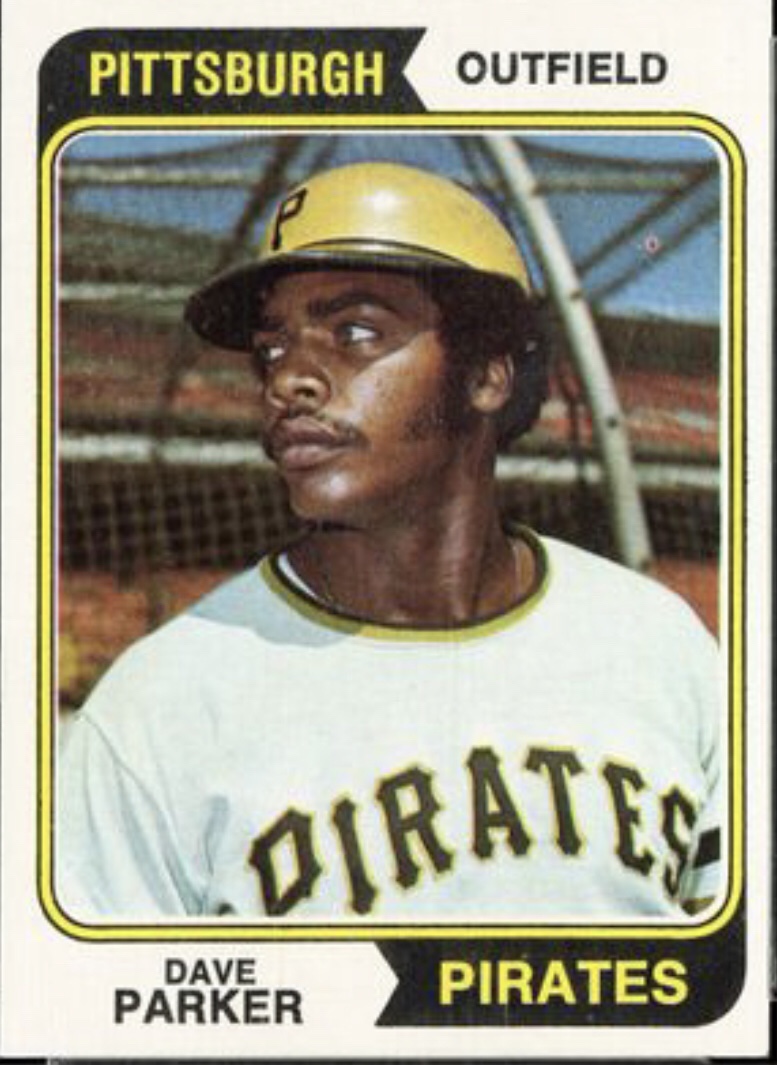
David Gene Parker (Born in Cincinnati, OH on June 9, 1951-) hit a home run as a member of the Charleston Charlies (WV), a Pirates AAA affiliate, that was recovered in Columbus, Ohio after landing on a coal car of a passing train en route to Ohio. The Pittsburgh Pirates took Parker in the 14th round of the 1970 MLB Draft as the potential replacement to Hall of Fame right fielder Roberto Clemente. Sadly, his rise to the position came at the cost of Clemente’s life as he was killed in a plane crash on December 31, 1972 delivering aid to Nicaraguan earthquake victims. It was once said that “someone must have a fondness for right field in Pittsburgh” as Parker not only replaced the beloved and skillful Clemente with excellent power at the plate, but also possessed and nearly equal powerful arm. In 1977, Dave led the National League in hits (215), doubles (44) and batting average (.338) as he earned his first of seven All-Star Game selections and also won his first of three NL Gold Gloves. His greatest season came in 1978 as he again won the batting title with a .334 BA, but also led the NL in slugging percentage (.585), on-base percentage (979) and total bases (340) winning the National League’s Most Valuable Player Award. He was the first Pirate to win the MVP since Clemente in 1966. The Pirates rewarded the slugger by signing him to the first $1,000,000 average contract in MLB history. Parker played right field and later as a designated hitter for 19 seasons with the Pirates (1973-1983), the Cincinnati Reds (1984-1987), the Oakland Athletics (1988-1989), the Milwaukee Brewers (1990), the California Angels (1991) and the Toronto Blue Jays (1991). Parker appeared in three World Series (1797, 1988, 1989) in his career winning the 1979 title with Pittsburgh over the Baltimore Orioles and with Oakland over the San Francisco Giants in the “Earthquake Series.” In 1979, Parker reportedly actually “knocked the cover off the ball” blasting a pitch to the outfield, bursting the seam, making the relay to the infield a difficult one. Injury, weight and drug problems took their toll on the “Cobra”, as he was called, and he retired following the 1991 season. Dave Parker ended his career with 2,712 hits including 526 doubles and 339 home runs, 1,272 runs, 154 stolen bases, 1,493 RBI and a .290 career batting average. He also posted a .966 career fielding percentage in right field with 137 assists.
Larry Wayne “Chipper” Jones Jr. (born in DeLand, FL on April 24, 1972) is an American former Major League Baseball (MLB) player and broadcast analyst, and current MLB consultant. Jones was the Atlanta Braves’ number one overall pick in the 1990 MLB draft and their primary third baseman from 1995 to 2012 (with the exception of 2002–2003 when he primarily played left field). He was also a member of their 1995 World Series championship team that beat the Cleveland Indians. An eight-time All-Star, Jones won the 1999 National League (NL) Most Valuable Player Award and the 1999 and 2000 NL Silver Slugger Award for third basemen. He was the MLB batting champion in 2008 after hitting .364.
Wilfredo Cordero Nieva (born in Mayaguez, Puerto Rico on October 3, 1971) is a former shortstop, first baseman, and outfielder in Major League Baseball. He was best known as a member of the Montreal Expos(1992–1995, 2002–2003). Cordero made his Major League Baseball debut in 1992 and last played in 2005. In addition to the Expos, Cordero played for the Boston Red Sox (1996–1997), Chicago White Sox (1998), Cleveland Indians (1999, 2000–2002), Pittsburgh Pirates(2000), Florida Marlins (2004), and Washington Nationals (2005). He batted and threw right-handed. Cordero had an opportunity to make the Montreal Expos roster on Opening Day in 1992, less than four years after he signed with the team at the age of sixteen, but he struck out 17 times in 38 spring training at bats, and was sent down to Triple-A Indianapolis. He debuted with the Expos after the All-Star break and finished with a .314 batting average in 45 games, despite missing significant stretches of playing time due to a sprained ankle, a strained middle finger, and a serious case of chicken pox. A line drive hitter, he finished his first full season with a .248 average, 10 homers and 58 RBIs in 1993. Meanwhile, he displayed excellent range at shortstop and a strong throwing arm. In the strike-shortened 1994 season, Cordero finished with a career-high .294 average, 15 home runs, 63 RBI, 65 runs scored and 35 doubles, and made the National League All-Star team. The next year he batted .286. Cordero was traded to the Boston Red Sox before the 1996 season. The Expos received pitchers Rhéal Cormier and Shayne Bennett, and first baseman Ryan McGuire in the deal. In his first year in Boston, a pair of nagging injuries and the presence of John Valentin at shortstop limited his playing time. Cordero was used at second base and as designated hitter, appearing in 59 games. His most productive season came in 1997, when he hit .281 and posted career-highs in home runs (18), RBI (72), runs (82), hits (160) and games (140). At the end of the 1997 season, the Red Sox released Cordero, and he signed with the Chicago White Sox.
Alejandro Arias (born in New York City on November 20, 1967) is an American former professional baseball infielder, who played Major League Baseball from 1992 to 2002. In his career, Arias played for the Chicago Cubs(1992), Florida Marlins (1993–1997-World Series Champion), Philadelphia Phillies (1998–2000), San Diego Padres (2001) and New York Yankees (2002). He had the highest career batting average as a pinch hitter with over 150 at-bats, with a .320 average. His .265 career average and .338 on-base percentage are about average.
Manuel De Jesús Alexander (born in San Pedro de Macoris, Dominican Republic on March 20, 1971) is a Dominican former professional baseball infielder. He has played for the Baltimore Orioles (1992–1993, 1995–1996), New York Mets (1997), Chicago Cubs(1997–1999), Boston Red Sox (2000), Texas Rangers (2004) and San Diego Padres(2005–2006). He bats and throws right-handed. Alexander was signed as a 16-year-old amateur free agent by the Baltimore Orioles on February 4, 1988. Alexander made his big league debut with the Orioles at the age of 21 on September 18, 1992, during a 12–4 loss to the Milwaukee Brewers. Alexander appeared as a defensive replacement for Cal Ripken, Jr. in the bottom of the seventh inning and struck out in his only at-bat of the game. Alexander made a brief pitching appearance in an April 19, 1996 game against the Texas Rangers. The Orioles entered the bottom of the 8th inning down 10–7. Armando Benitez surrendered a single and two walks before being replaced by Jesse Orosco. Orosco then gave up two walks, six hits, and a sacrifice fly, giving the Rangers a 17–7 lead. With the game now out of reach, manager Davey Johnson brought in Alexander to pitch. Alexander walked the first three batters he faced (all with the bases loaded), allowed a sacrifice fly, walked another hitter, and then surrendered a grand slam to Kevin Elster before finally getting a groundout to end the 16-run inning.












 High Quality Baseball Cards